2027 Annual Meeting - Montréal
Program Workshops Support & Exhibits Hotel & Travel Explore Montréal Make the Case to Attend
Program Workshops Support & Exhibits Hotel & Travel Explore Montréal Make the Case to Attend
Explore Montréal
Make plans to extend your stay after the conference to enjoy "The City of Saints." Whether you're drawn to the excitement of Quartier des Spectacles, retail therapy in Montréal's Underground City, or the history of Old Montréal, the city's diverse neighborhoods offer a variety of cultural experiences and activities. Begin with the Downtown area surrounding the conference venue and make sure to take in Montréal Musts.
Before you travel, check out essential traveler information to help your trip go smoothly. Plan your activities with Montréal Apps and make use of an Passeport MTL for the best deals.
Visit this page for regular updates from local SACME members as you prepare to travel to Montréal!
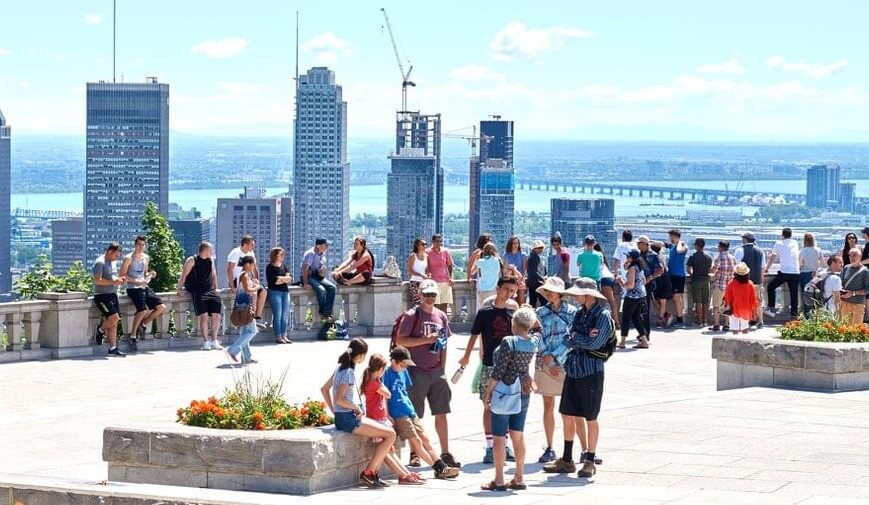
A Taste of Montréal: Culinary Traditions and Innovation
Contributed by Martin Tremblay, PhD
Montréal is renowned for its vibrant and diverse food scene, shaped by its multicultural population and rich cultural history. The city blends French culinary traditions with influences from Italian, Jewish, Caribbean, Middle Eastern, and Asian communities, creating a dynamic gastronomic landscape. From high-end restaurants to bustling street food markets, Montréal offers a spectrum of flavors that reflect both heritage and innovation.
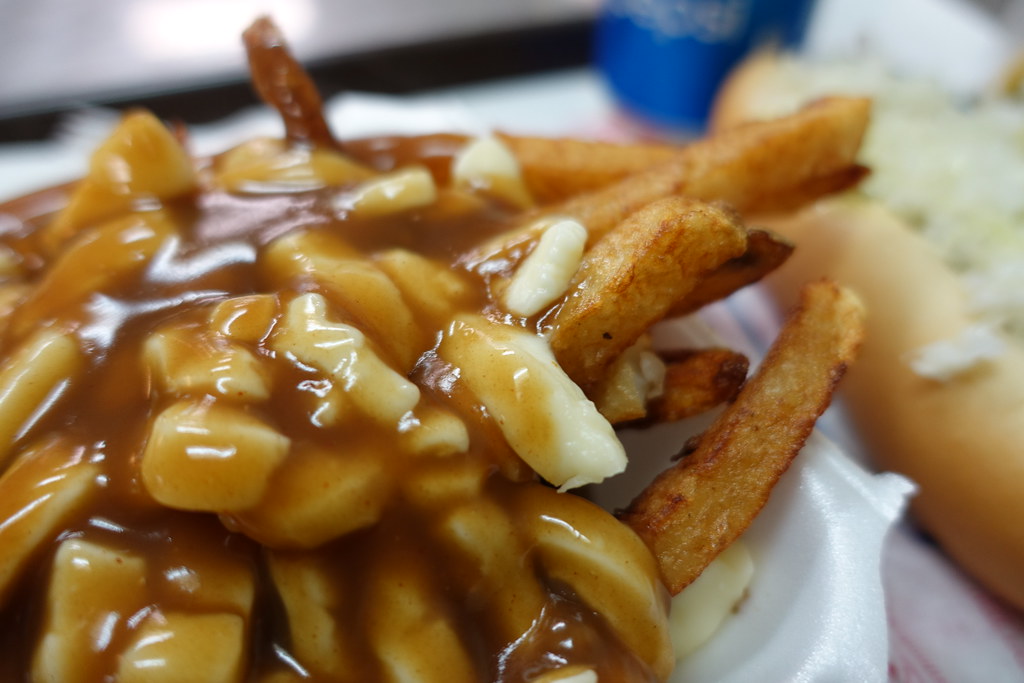 Iconic local foods define the city’s culinary identity. Montréal-style bagels are hand-rolled and baked in wood-fired ovens, while smoked meat sandwiches showcase the city’s Jewish heritage. Poutine, a comfort food of fries, cheese curds, and gravy, illustrates Quebecois tradition adapted for modern tastes. The city also excels in French-inspired pastries, artisanal cheeses, and locally sourced farm-to-table offerings, emphasizing quality and creativity.
Montréal’s neighborhoods contribute to its culinary diversity. The Plateau-Mont-Royal is famous for trendy cafés, bakeries, and international eateries; Mile End offers artisanal bakeries, coffee shops, and fusion cuisine; and Little Italy and Chinatown provide authentic ethnic experiences. Farmers’ markets, such as Jean-Talon and Atwater, highlight local produce, meats, and cheeses, connecting residents and visitors to Quebec’s agricultural heritage.
The city also embraces innovation and experiential dining. Chefs experiment with contemporary techniques, sustainable sourcing, and multicultural fusion, while food festivals, such as Montréal en Lumière, celebrate gastronomy with interactive experiences, tasting events, and culinary competitions. This combination of tradition and innovation positions Montréal as both a destination for iconic dishes and a laboratory for emerging culinary trends.
In essence, Montréal’s food scene reflects the city’s cultural mosaic and creative spirit. It balances historic flavors with modern experimentation, offers something for every palate, and fosters a strong connection between community, culture, and cuisine. Whether savoring classic bagels, indulging in gourmet poutine, or exploring international flavors, the city’s gastronomy is an integral part of Montréal’s identity and global appeal.
Montréal Through the Ages: From Hochelaga to a Modern Metropolis
Contributed by Martin Tremblay, PhD
Montréal has a rich history that long predates European arrival. The area was inhabited for thousands of years by Indigenous peoples, including the St. Lawrence Iroquoians*, who lived in the village of Hochelaga at the foot of Mount Royal.
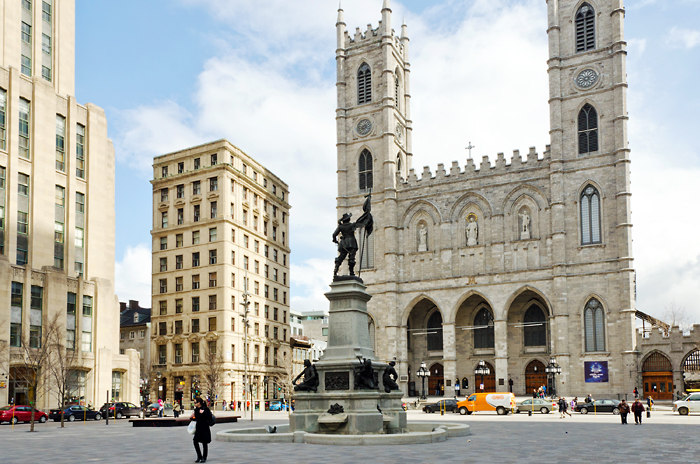
In 1535, French explorer Jacques Cartier visited the region and described Hochelaga, but permanent settlement began only in 1642 with the founding of Ville-Marie by Paul de Chomedey de Maisonneuve and Jeanne Mance. Established as a missionary colony, Ville-Marie aimed to evangelize Indigenous populations and serve as a strategic outpost in New France.
During the 17th and 18th centuries, Ville-Marie grew into an important hub for the fur trade. Following the British conquest in 1760, after the Seven Years' War, the city came under British rule and became known as Montréal. It developed into a major commercial center, attracting merchants and immigrants, particularly from Britain and Ireland.
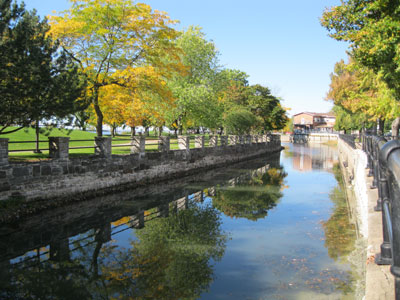 In the 19th century, Montréal experienced rapid industrialization and became Canada’s economic metropolis. The construction of the Lachine Canal played a key role in transportation and industrial growth. The city also briefly served as the capital of the Province of Canada from 1844 to 1849. This era saw significant population growth and increasing cultural diversity.
In the 20th century, Montréal continued to thrive, highlighted by major international events such as Expo 67 and the 1976 Summer Olympics, which boosted its global profile. However, economic and political changes, including the rise of Quebec nationalism, contributed to a shift of financial power toward Toronto.
Today, Montréal is known as a vibrant cultural metropolis, recognized for its diversity, bilingualism, and influence in the arts, research, and innovation. Its history reflects a unique blend of Indigenous, French, and British heritage that continues to shape its modern identity.
* For more details regarding Montréal’s first nations, see: https://ville.montreal.qc.ca/memoiresdesmontrealais/en/presence-indigenous-peoples-island-montreal
The Island City: Exploring Montréal’s Unique Geography
Contributed by Martin Tremblay, PhD
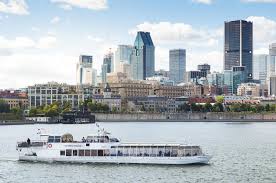
Montréal is located in southwestern Quebec, on an island at the confluence of the Saint Lawrence and Ottawa rivers. The island, known as the Island of Montréal, covers about 499 square kilometers and is the largest in the Hochelaga Archipelago. Its central feature is the modest but prominent Mount Royal, a volcanic-origin hill that rises to 233 meters and provides a natural landmark for the city, as well as extensive green space and panoramic views.
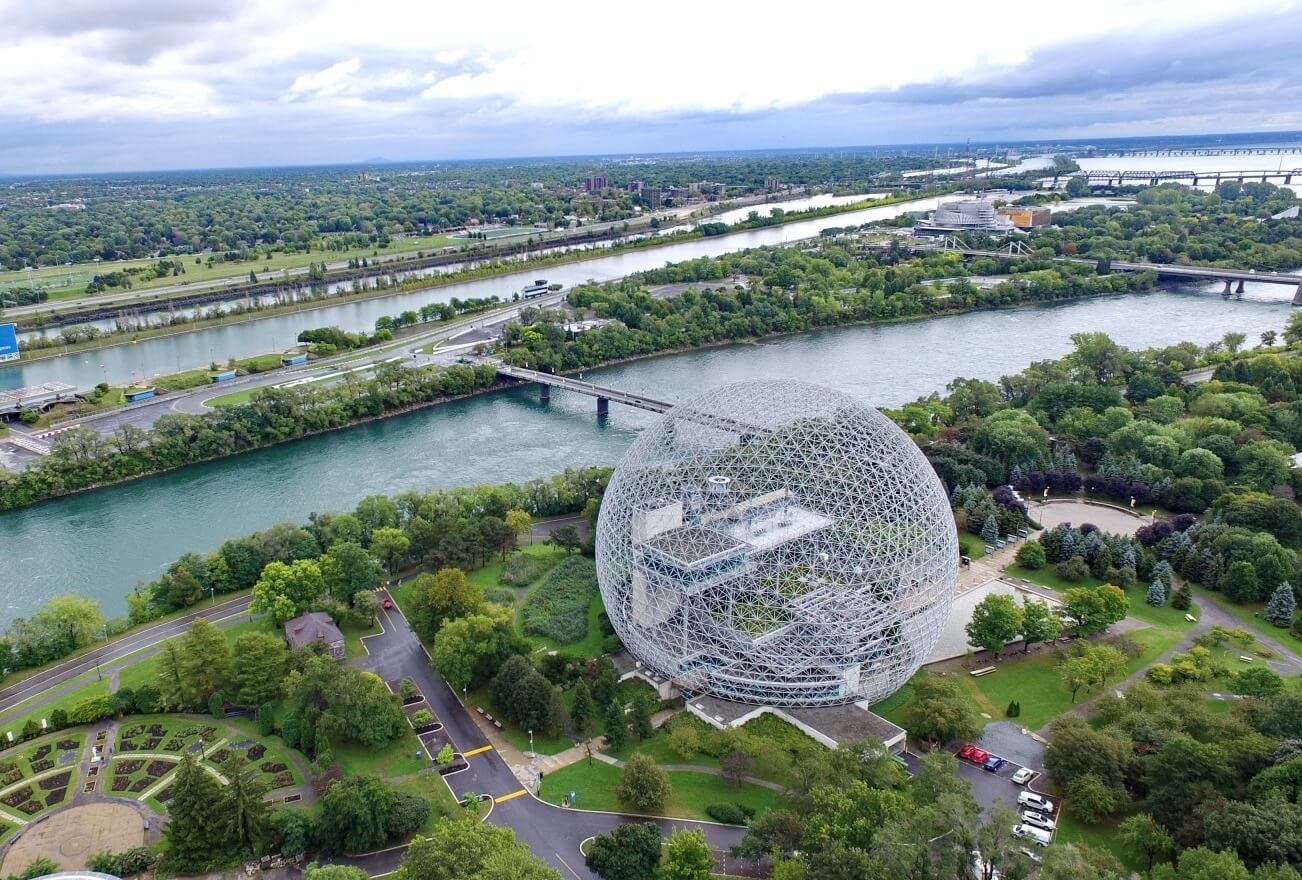
Montréal’s geography is defined by its network of rivers, canals, and islands. The Saint Lawrence River forms the southern and eastern boundaries, serving as a major waterway for commerce and transportation. To the north, the Rivière des Prairies separates the Island of Montréal from Île Jésus, home to the city of Laval. Several smaller islands, such as Île Sainte-Hélène and Île Notre-Dame, are situated in the Saint Lawrence and host parks, cultural sites, and recreational areas.
The city’s layout is influenced by both natural and man-made features. Montréal’s terrain is generally flat aside from Mount Royal, which shapes neighborhoods and street patterns. Its climate, classified as humid continental, interacts with geography to create snowy winters and warm, humid summers, affecting urban planning and transportation. Numerous bridges, tunnels, and highways connect the island to surrounding regions, integrating Montréal into the broader metropolitan area and facilitating movement across the waterways.
Montréal’s geography also fosters rich biodiversity. Urban parks, riverbanks, and green spaces provide habitats for birds, small mammals, and plant species, while Mount Royal Park acts as an ecological and recreational anchor. The interplay of land and water, combined with the island’s central location in the Saint Lawrence Valley, makes Montréal a unique urban environment where natural features and human development coexist.