2027 Annual Meeting Program
Program Workshops Support & Exhibits Hotel & Travel Explore Montréal Make the Case to Attend
Program Workshops Support & Exhibits Hotel & Travel Explore Montréal Make the Case to Attend
2027 Program Details
Preliminary Program (PDF) Pre-conference Workshops
See Abstract Submission Details
Barbara Barnes Plenary Presentation
From Compliance to Culture: CPD as a Catalyst for Integrity, Growth, and Equity in the Health Professions
 Jamiu Busari, MD, MHPE, PhD, CCPE, FRCPC
Continuing professional development (CPD) in the health professions is continuously evolving. Once defined primarily by attendance, credit accumulation, and periodic updates in clinical knowledge, CPD now focuses on meaningful, lifelong practice—one that advances clinical excellence while fostering ethical leadership, reflective practice, mentorship, well-being, and inclusive professional cultures.
This keynote will explore why this evolution matters. In rapidly changing healthcare systems, professionals need more than technical competence to thrive and provide outstanding care. They require environments that recognize growth, encourage collaboration, and safeguard the integrity of professional development. Unfortunately, too often, professional advancement is undermined by career sabotaging: a pattern of malicious envy expressed through subtle exclusion, vague justifications, reputational harm, withheld opportunities, and collective silence. Furthermore, survey data and lived experiences reveal the profound personal and institutional consequences of these hidden practices.
By examining the evolution of CPD alongside this often unspoken reality, this keynote will invite the audience to view professional development not simply as an individual obligation but as a shared ethical responsibility. It will illuminate the conditions that allow hidden injustice to persist and present a compelling vision for leaders, educators, and professional bodies on how to build cultures in which CPD reinforces integrity. It will highlight how mentorship can be purposeful, compassion is valued, and how every professional can gain a genuine opportunity to learn, contribute, and rise.
Dr. Jamiu Busari is an internationally recognized physician executive, pediatrician, medical educator, and keynote speaker whose work bridges healthcare leadership, social justice, and academic medicine. He serves as an Associate Professor of Medical Education at Maastricht University, an Adjunct Professor at Ontario Tech University, and a Visiting Professor at Health Sciences University, while also practicing as a consultant pediatrician at Horacio Oduber Hospital, Aruba. (LinkedIn). He is also a member of the governing committee of AMEE, the international association of health professions education.
A passionate advocate for diversity, equity, inclusion, and transformative leadership, Jamiu is widely respected for advancing competency-based medical education and healthcare innovation across global academic and clinical settings. His distinguished career has earned him numerous honors, including the Honorary Fellowship of the Royal College of Physicians and Surgeons of Canada, the Jan Heijlman Prize for Best Teaching Specialist, and recognition among “The Most Influential People in Healthcare to Watch.” (LinkedIn)
As an award-winning keynote speaker, he has delivered impactful lectures at international conferences and leadership forums, inspiring audiences with thought leadership on healthcare equity, leadership culture, medical education, and social justice. Through his speaking, scholarship, and mentorship, Busari continues to influence the next generation of healthcare leaders while championing inclusive systems that improve lives globally. (DEMEC 2025)
Prof. dr. Jamiu O. Busari [MD, MHPE, PhD, CCPE, FRCPC (hons)]
Associate Professor of Medical Education, Faculty of Health, Medicine & Life Sciences, Maastricht University, NL |
Adjunct Professor & Scientist, Faculty of Health Sciences, Ontario Tech University, Oshawa, Canada |
Visiting Professor, HSU Business School, London, UK |
Member, Diversity & Inclusivity Advisory Board, Maastricht University, NL |
Consultant Pediatrician, Horacio Oduber Hospital, Aruba |
Commissioning Editor, BMJLeader |
Plenary Presentation
Beyond Credits and Competencies: Continuing Professional Development as the Linchpin of Learning Health Systems
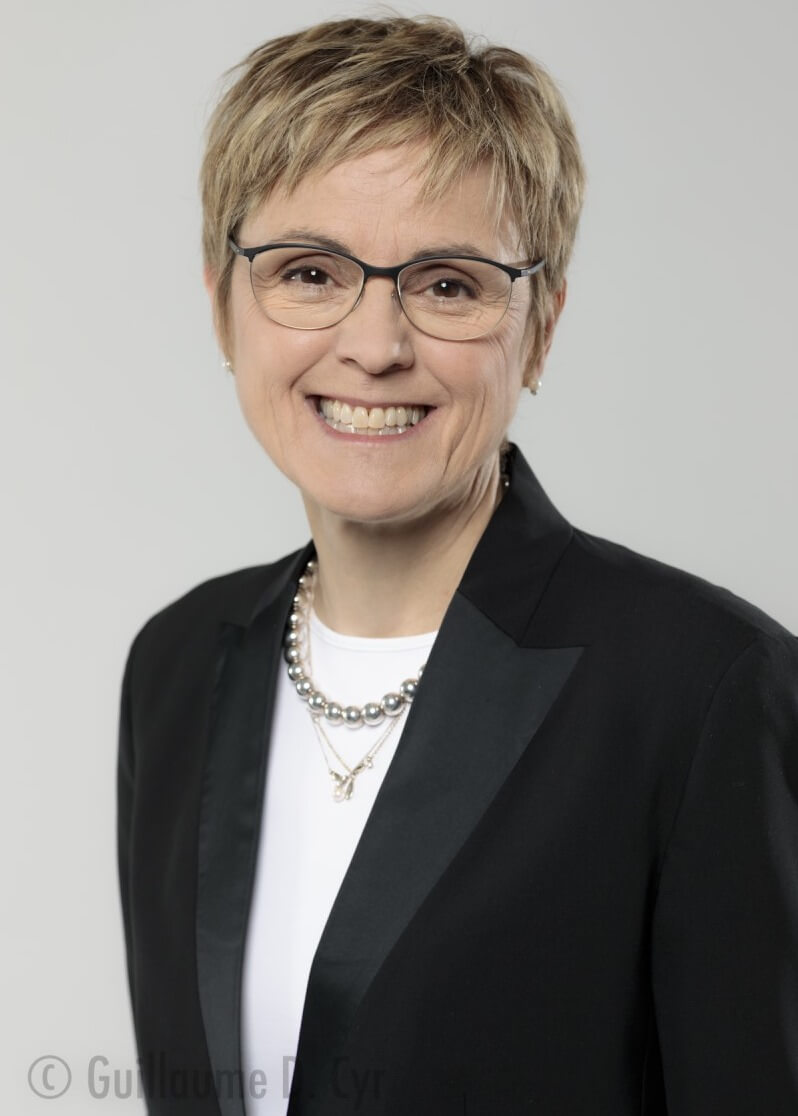 France Légaré, CQ, BSc Arch, MD, MSc, PhD, CCMF, FCMF
Learning Health Systems (LHS) are designed to continuously generate, mobilize, and apply knowledge to improve care. They rely on real-time data, feedback loops, quality improvement processes, implementation strategies, and meaningful partnerships with patients and communities. Yet one essential component is frequently underestimated: continuing professional development (CPD).
Drawing on over 35 years of clinical practice as a family physician and more than three decades of research in shared decision making, knowledge mobilization, implementation science, and healthcare innovation, this plenary will argue that CPD is the linchpin of every Learning Health System. CPD is the mechanism through which evidence becomes practice, innovations become routine care, and learning translates into impact and sustainable improvement.
Using examples from a large body of work that includes the development and evaluation of theory-informed evidence-based CPD interventions, implementation of shared decision-making programs in diverse clinical settings, creation of the CPD-Reaction instrument, large-scale pragmatic trials, and recent work on spreading and scaling health innovations, this session will explore how CPD can drive measurable changes in clinician behaviour, team performance, patient engagement, and health system outcomes.
Participants will be invited to rethink CPD not as a standalone educational activity but as a strategic system function connecting education, implementation, quality improvement, patient partnership, and organizational learning. The session will conclude with a vision for the next generation of CPD science and practice in an increasingly interconnected world.
Plenary Presentation
Emotional Regulation: New Strategies for Individuals and Organizations
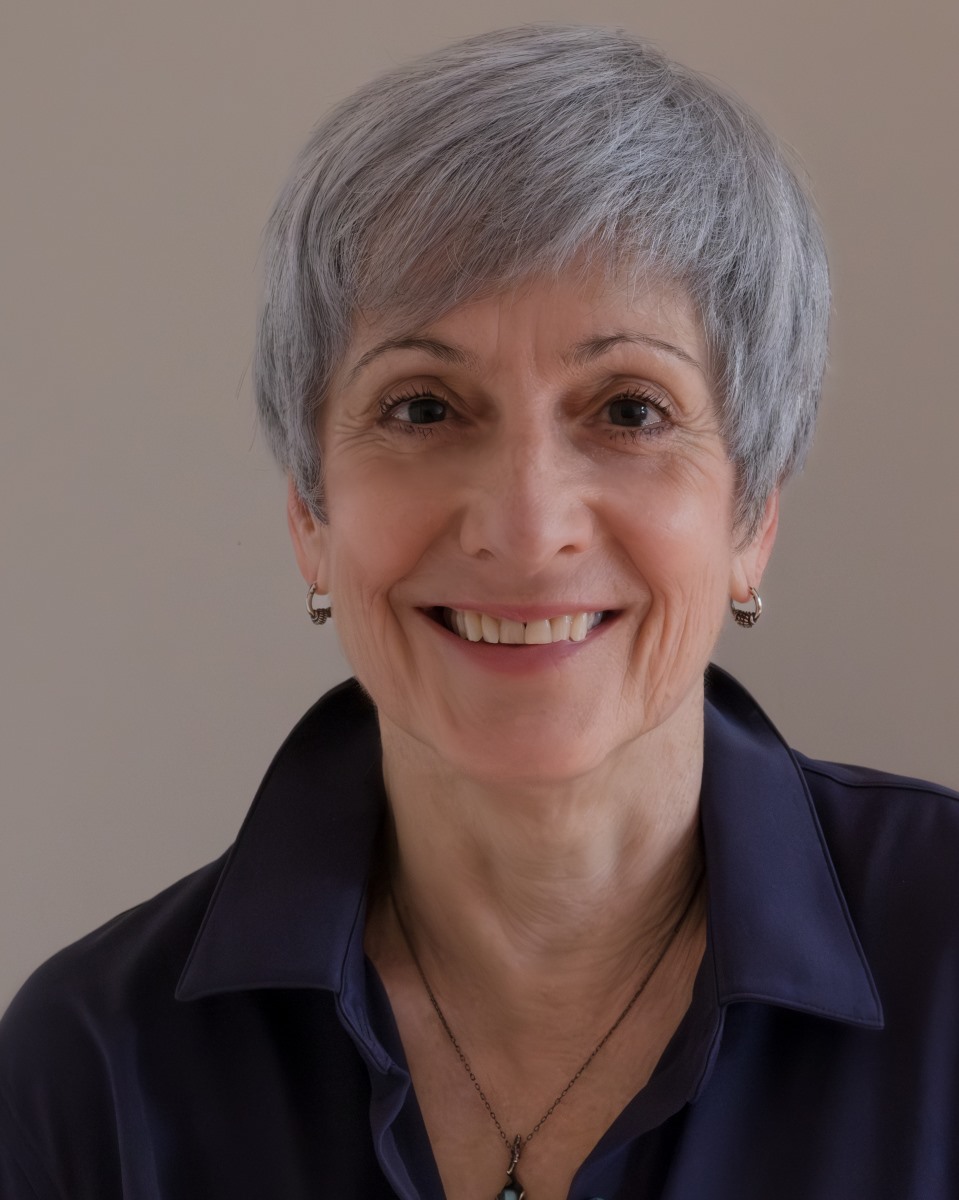 Rachel Thibeault, OC, PhD, FCAOT
The presentation’s main objective is to offer tools for improved individual and collective emotional regulation based on the latest scientific evidence. Drawing on the works of renowned researchers such as Bonanno (2023), Feldman-Barrett (2021) and Kross (2025), it highlights physical and psychological strategies conducive to healthy regulation. Individual strategies include hormetic stress training (a set of brief physical exercises leading to increased psychological resilience through a cross-sector effect) and internal and external shifters that defuse emotions to better modulate them. Once these individual foundations in place, collective strategies are addressed with the main one being the Compassion Protocol, a new tool derived from neuroscience. This protocol has been shown to be one of the most effective psychological protective factors against stress and distress, whether our own or that of others. Among other things, it enables us to cultivate new attitudes and lifestyle habits associated with positive neuroplasticity.